
Topic
Family & Relationships
Protect trust, presence, boundaries, and the people who matter.
A lesson can belong to more than one topic.
26 lessons

Your Word Builds Trust
Check before saying yes, and tell people early when your plans change.

Be Present With People
Giving someone your full attention in small, everyday moments helps them feel heard and cared for.

Ask for Help Early
A clear question at the right time can prevent a small problem from becoming a larger one.

Choose Your Friends Carefully
Notice how friends respond when you ask for privacy, disagree or say no.

Have Difficult Conversations Early
Raise a concern calmly while it is still small enough to discuss clearly.

Apologise Without Defending Yourself
A useful apology names your action, recognises its effect, and is followed by a real change.

You Cannot Please Everyone
You can be kind and listen carefully without agreeing to every request.

When a Relationship Needs to End
Some relationships can be repaired; others need distance, and both decisions deserve care and honesty.

Pause Before You React
You may have a good reason to feel angry. Give yourself time to choose what you do next.

Choose a Partner for Everyday Life
Before building a life together, notice how you handle disagreement, money, and responsibility.

Some Losses Cannot Be Fixed
When someone you love is gone, you do not have to turn your sadness into a lesson.

Help Without Taking Over
Someone you love may need support without wanting you to make their decisions.

Stay Connected as Life Changes
A small, clear message can reopen a friendship without demanding the old routine.

Let Yourself Receive Care
You do not always have to be the strong one. Let people care for you too.

You Can Respect Your Parents and Disagree
Say what you want clearly, listen for the real worry, and work from the facts and limits everyone has to face.

Build New Friendships Slowly
Start with small, repeated contact and let trust grow without demanding an immediate close friendship.

When a Friend Wants You to Take Sides
You can support a friend without repeating every claim or joining an attack on someone else.

When Someone Depends on Your Care
Make care a shared, realistic arrangement that respects both the person receiving help and the people giving it.

Before You Share a Home
Talk about money, household work, privacy and leaving arrangements before living together turns assumptions into problems.

Check What a Message Means Before You React
A short message can leave out the context you need to understand it.

Tell Someone Exactly How They Helped
A short, specific thank-you can show someone which part of their help mattered.

An Apology Does Not Restore Trust Immediately
You can hear an apology and still keep boundaries while you consider what happens next.

Decline a Loan Request Kindly and Clearly
How to say no to a money request without blaming yourself or the other person, and while protecting your finances and the relationship.
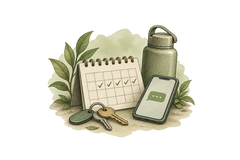
Propose a Small Trial to Show You Can Handle More Independence
If conversations about a later curfew, a job, or moving out keep ending in arguments or vague promises, a short, reversible trial gives both sides evidence instead of opinion.
Set Limits When a Friend Constantly Vents
You can listen with care while being honest about the time and energy you can offer.
Make Room for Someone Who Is New
A welcome becomes useful when it helps someone understand how to take part.